Why a Chimney Leak Can Return After Sealing
A bead of sealant can hide the edge of a chimney leak without rebuilding the flashing beneath it. The repair has to address the route water takes.
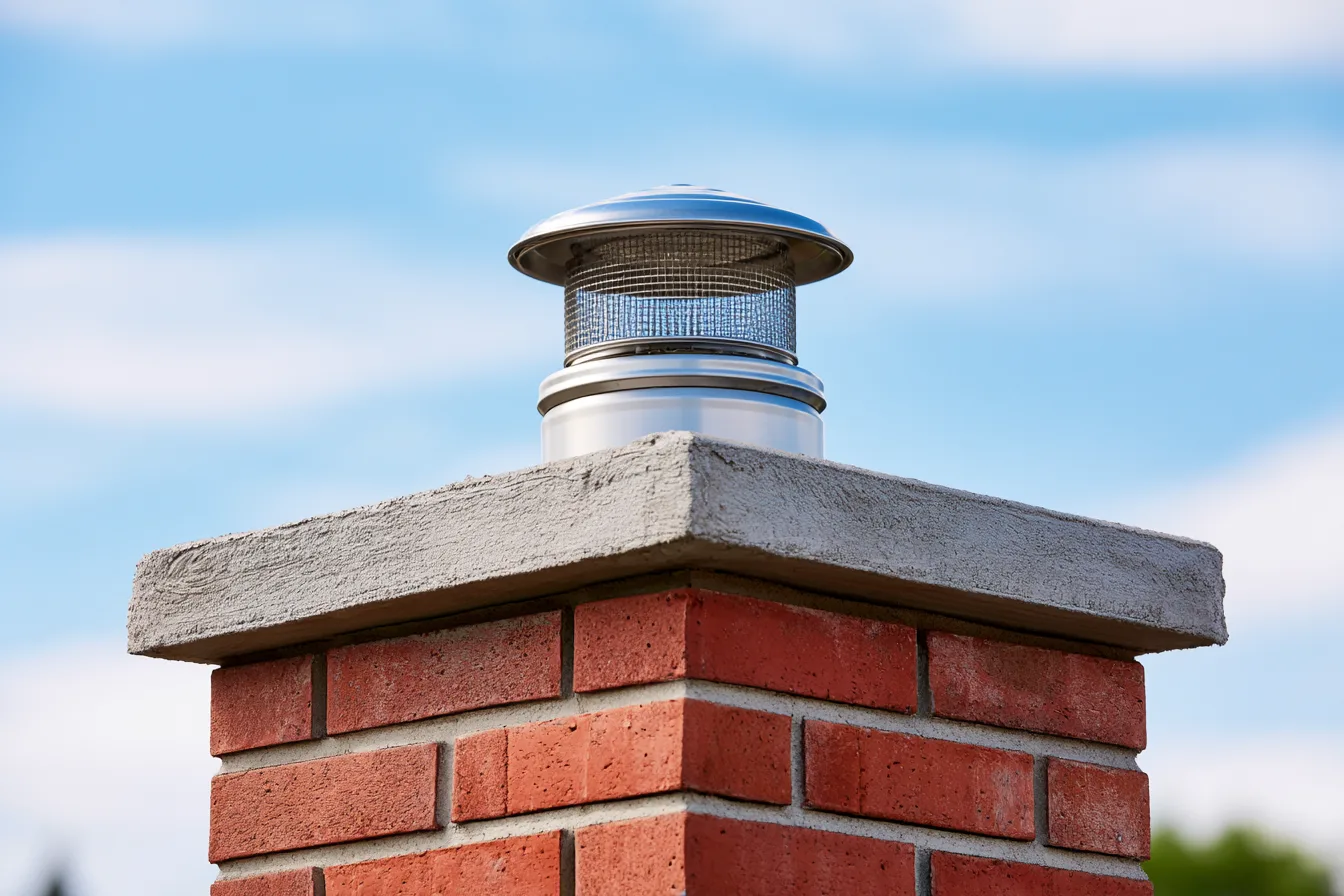
The chimney interrupts a moving sheet of water
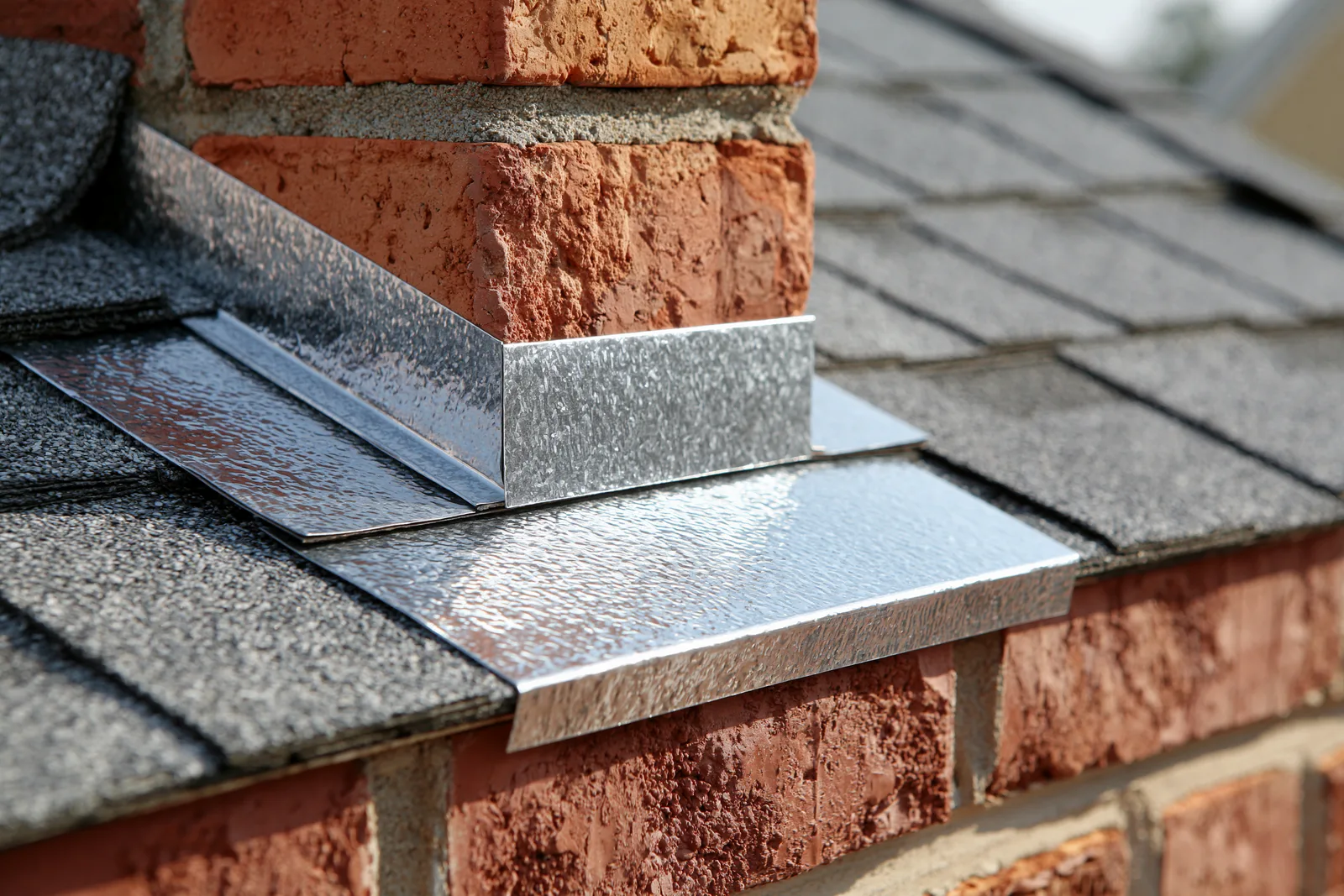
Rain flows down the roof until the chimney divides that path. Metal at the base and along the sides needs to direct the water back over the shingles. Counterflashing protects the upper edge where the roof-side metal meets masonry. When those overlaps fail, water can pass behind the visible surface.
Sealant has useful roles in specified details, but a surface bead does not create a missing step-flashing course or restore a failed overlap. If the same area leaks after repeated sealing, the next repair needs the connection examined rather than another layer placed over it.
A stain near the chimney is still a starting point
Water can travel along roof decking before it reaches the ceiling. It can also enter through a chimney crown, cap or masonry joint. Those paths need different repairs, even when they appear in the same room.
At Warr Acres Roofing, we start with what you noticed and the roof connection. A free inspection helps bring the flashing and adjoining material into view. Where masonry is part of the water path, that condition belongs in the repair discussion as well.
Opening enough roof to rebuild the detail
A proper repair can require removing shingles around the chimney so the metal and underlayment can be connected correctly. The work gets wider when the adjoining covering is brittle or the deck beneath it has deteriorated.
That is why the size of the stain does not set the size of the repair. The useful boundary is sound material that the rebuilt connection can join.
Get the recurring leak looked at
Tell us which part of the house is affected and that the earlier seal or patch has leaked again. Warr Acres Roofing can start with that description. You do not need to climb beside the chimney or decide which flashing piece failed.