Why Roof Coating Needs a Sound Roof Beneath It
A new coating can renew a suitable commercial roof surface. It cannot turn wet insulation or a failing base into a sound assembly.
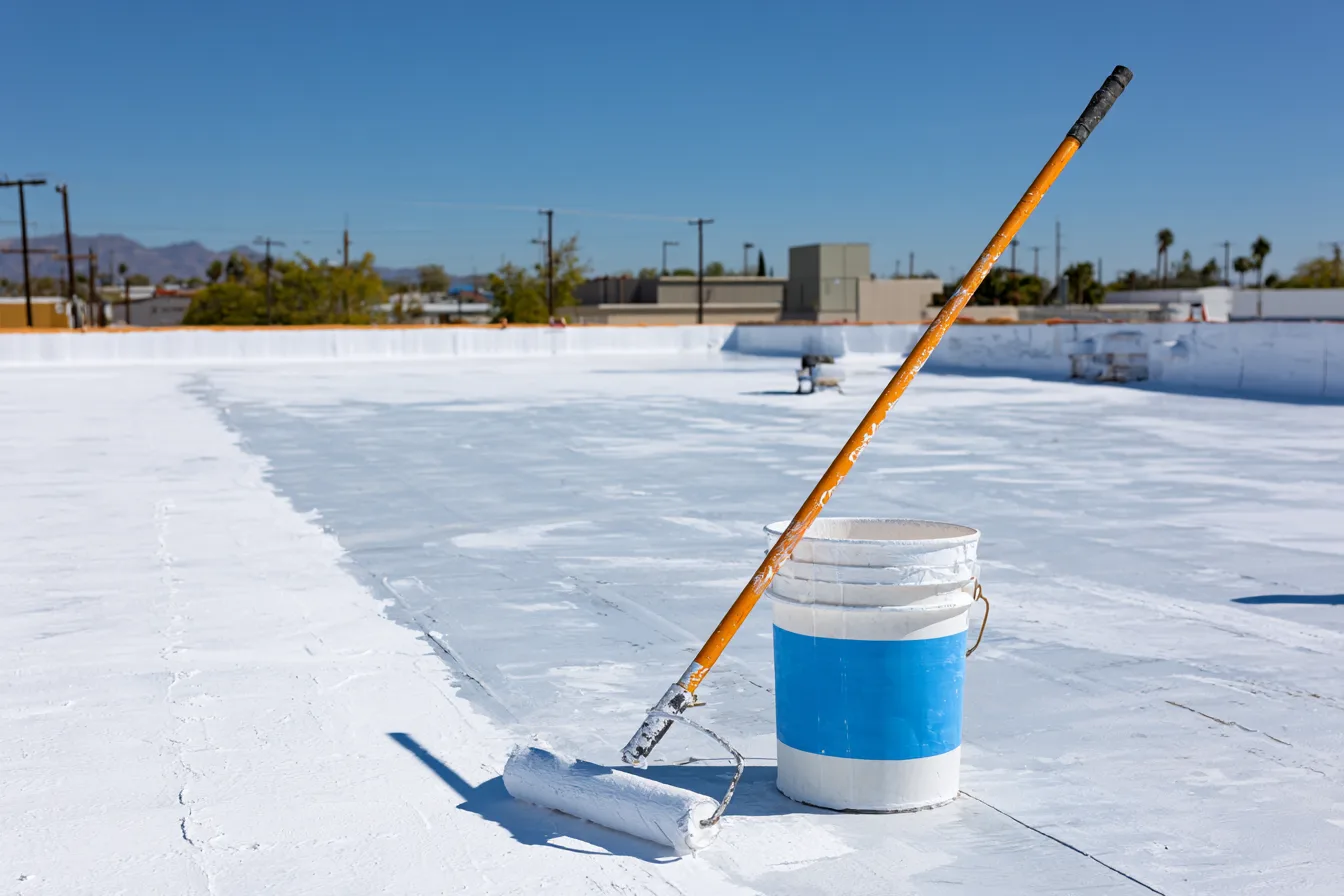
The coating needs something sound to adhere to
A restoration coating follows the surface beneath it. Loose material, dirt, incompatible existing treatments and moisture can prevent adhesion. The roof type and the coating manufacturer’s requirements set the preparation and repair methods.
Seams, penetrations and wall details are addressed before the broad field is coated. Otherwise a fresh surface can conceal the same defective water path. Warr Acres Roofing explains restoration as its own scope, rather than treating a white finish as a substitute for the work beneath it.
Moisture changes what can stay
Water below the membrane can affect insulation and travel beyond the visible leak. A roof that appears dry at the top can still contain wet material beneath it. Determining that extent is part of deciding whether restoration is suitable.
Where wet insulation, an unsound deck or failed attachment has compromised the assembly, the affected materials need attention. Coating over them does not remove the water or restore the structure beneath the membrane.
Drainage remains a roof-design question
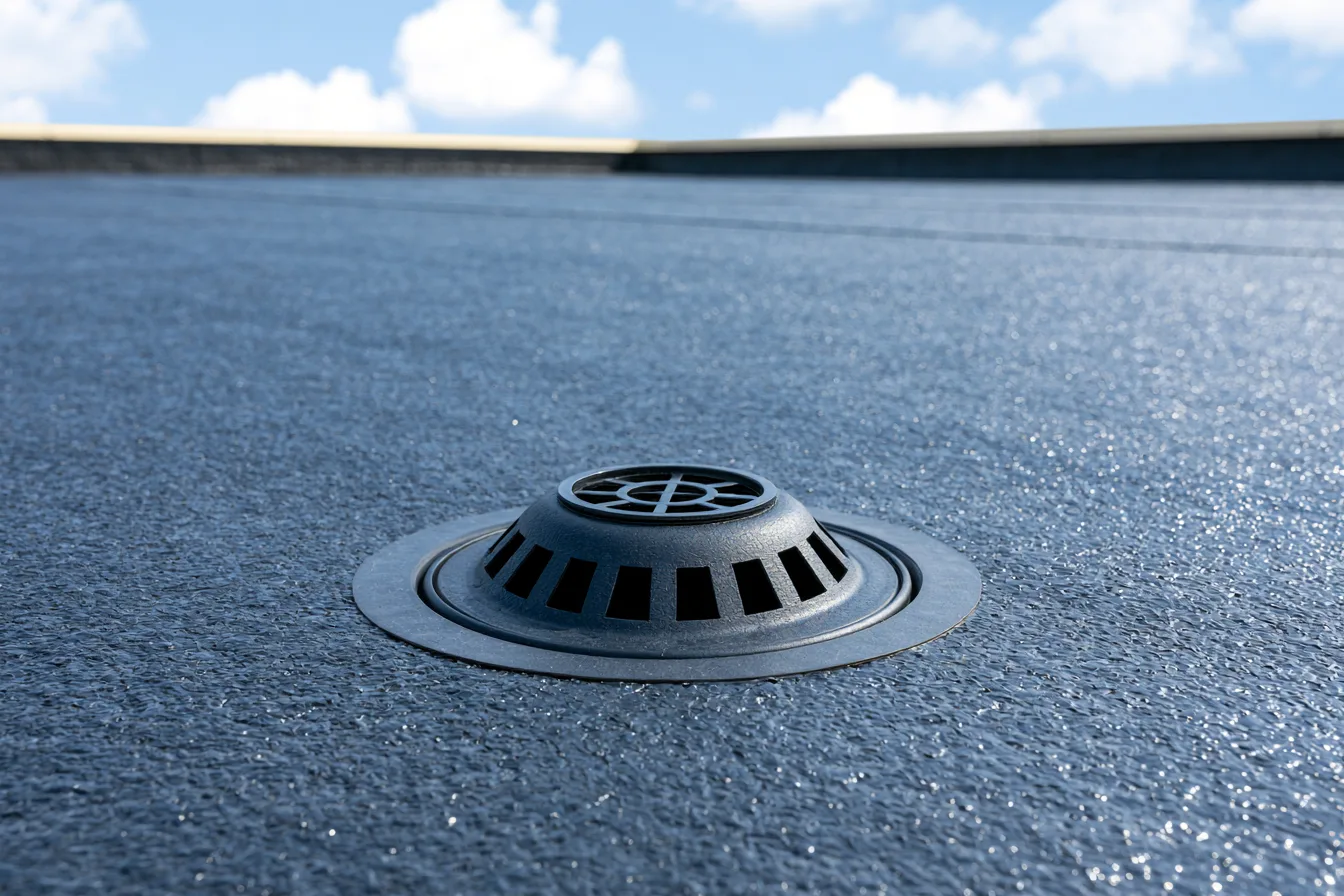
A low area collects water because of the geometry of the assembly, the condition of the supports or an obstructed discharge path. A thin coating does not create meaningful slope or move a drain.
Some products have specific allowances for standing water, but those terms do not repair drainage. The restoration decision has to consider the building and the actual product together.
Start with the commercial roof condition
Tell us the building use, the roof material if known and where the leak affects the property. A free inspection is a useful starting point for separating local repair, restoration and replacement. At Warr Acres Roofing, the next step is a conversation about the roof you have.